
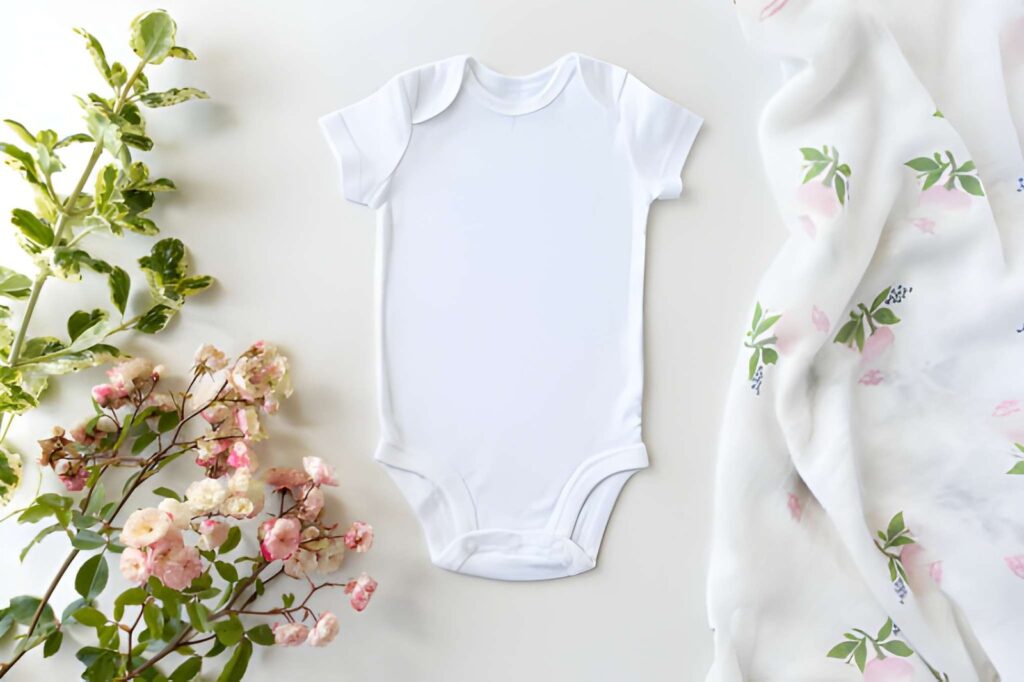
The Hidden Threat in Your Baby’s Wardrobe!
When a newborn arrives into the world, parents naturally spend countless hours baby-proofing their home. We cover sharp corners, cap electrical outlets, sanitize feeding bottles, and carefully select gentle, organic baby food. Yet, one of the most intimate items in a baby’s daily life often flies under the radar: their clothing.
A newborn’s wardrobe sits directly against their delicate skin 24 hours a day, 7 days a week. We hold them close in cozy cotton onesies, tuck them into soft swaddles for naptime, and wrap them in cute outfits for family visits. To the untrained eye, a bright, smooth, crisp baby garment looks completely innocent. But beneath that fresh, store-bought finish can lie a cocktail of hidden industrial chemicals, heavy metals, synthetic dyes, and chemical fixatives left over from standard textile manufacturing.
Because a newborn’s skin is remarkably delicate, these invisible chemical residues don’t just stay on the surface they can irritate, trigger severe allergic reactions, and even absorb into their tiny bodies.
At Cottono Kids, we believe that baby clothes should protect and nurture, never harm. In this in-depth guide, we uncover the truth about chemical processing in textile production, how toxic residues impact babies day and night, how real chemical-free manufacturing works, and why partnering with https://cottonokids.com/ ensures the purest, safest garments for sensitive newborn skin.
What Is a Chemical-Free Process in Textile Manufacturing?
When we talk about “chemical-free processing” in the fashion industry, it is essential to be clear and honest. Water itself is a chemical compound (H2O), and natural elements exist everywhere in nature. Therefore, when reputable manufacturers say “chemical-free,” we specifically mean the complete elimination of toxic, synthetic, bio-accumulative, and skin-irritating chemicals throughout every stage of garment production.
Standard fast-fashion manufacturing relies heavily on synthetic chemicals to cut costs, speed up production, and make fabrics look artificially bright or wrinkle-free. A chemical-free process replaces these harsh industrial inputs with safe, non-toxic, and natural alternatives.
Key Industrial Chemicals Eliminated in Safe Manufacturing:
- Formaldehyde: Commonly used in standard garment finishing to prevent wrinkles, static, and mildew during overseas shipping. Formaldehyde is a known human carcinogen and a major trigger for severe contact dermatitis.
- Heavy Metals (Lead, Cadmium, Chromium, Nickel): Frequently found in low-cost synthetic dyes, metal snaps, zippers, and decorative prints. Heavy metals pose serious toxic risks when absorbed through skin or chewed on by teething babies.
- Phthalates & PVC: Used in cheap plastisol screen-printing inks to create glossy graphics on t-shirts and onesies. Phthalates are notorious endocrine disruptors that off-gas harmful compounds.
- Azo Dyes: A class of synthetic colorants that can break down under heat and sweat into aromatic amines—carcinogenic compounds banned in strict textile standards but still common in uncertified manufacturing.
- Chlorine Bleach & Optical Brighteners (OBAs): Used to artificially whiten raw fabric. These compounds leave harsh residues that cause skin inflammation and environmental damage in local waterways.
- Toxic PFAS & Flame Retardants: Fluorinated chemicals used to make clothes stain-proof or water-resistant, which persist permanently in the environment and human body.
A true chemical-free process replaces chlorine with oxygen-based bleaching, substitutes toxic azo dyes with non-toxic or botanical colorants, uses bio-enzymes instead of harsh acid washes, and enforces strict, non-toxic hardware standards.
Why Chemical-Free Processing Is Essential for Kids Clothing
Many parents wonder why adults can wear fast-fashion garments without immediate issues, while newborns break out in red patches from the exact same synthetic processes. The answer lies in the unique, delicate biology of infant skin.
1. Newborn Skin Is Up to 30% Thinner
A newborn’s epidermis (the outermost protective layer of skin) is significantly thinner than an adult’s. Because the skin barrier is immature, it lacks the dense structural lipids and thick stratum corneum that protect older children and adults. Consequently, chemical residues penetrate deep into the dermal layers much faster.
2. Higher Skin-to-Weight Permeability
Babies have a much higher surface-area-to-body-weight ratio than adults. This means that for every square inch of chemical-treated fabric touching a baby’s body, their bloodstream receives a proportionately higher dose of absorbed chemicals compared to a fully grown adult wearing the same material.
3. Underdeveloped Immune & Detoxification Systems
A newborn’s immune system and liver functions are still maturing. When toxic chemicals like heavy metals, phthalates, or formaldehyde pass through the skin barrier, an infant’s body cannot filter or neutralize these foreign substances as effectively, leading to heightened sensitivity and systemic stress.
4. Frequent Hand-to-Mouth Behavior
Babies explore their world through their mouths. They chew on their sleeves, suck on their onesie collars, and cuddle swaddles right against their lips. If a garment contains cheap plastisol prints or heavy metal dye residues, those toxic compounds are swallowed directly during normal daily play.
How Chemical Residues Affect Kids Day and Night
Chemical irritation doesn’t just stop at a mild red spot; it actively disrupts a child’s daily happiness, emotional balance, physical health, and nightly sleep routine.
Daytime Disturbances: Irritation, Fussiness, and Flares
During the day, an active baby moves constantly kicking their legs, reaching out, turning their neck, and rubbing against their clothing.
- Contact Dermatitis and Eczema Flares: When fabric containing residual formaldehyde or harsh synthetic fixatives rubs against warm, sensitive skin, it triggers localized contact dermatitis. Smooth skin turns into dry, scaly, intensely itchy red patches.
- Unexplained Fussiness: Babies cannot speak to tell us that their collar is burning or that their back is itching. Instead, they cry, resist holding, refuse tummy time, and become intensely irritable.
- Heat Rashes from Chemical Coatings: Synthetic chemical finishes designed to make fabrics stain-resistant actively block the natural micro-pores of cotton fibers. Sweat becomes trapped between the skin and the coated fabric, leading to painful heat rashes (miliaria) across the chest and back.
Nighttime Disruptions: Broken Sleep and Chemical Off-Gassing
Nighttime is when a baby’s body recovers, grows, and processes the day. It is also when clothing remains in motionless, unbroken contact with skin for 8 to 12 hours straight under cozy sleep sacks and warm blankets.
- Inhalation of Off-Gassing VOCs: Cheap synthetic prints, chemical flame retardants, and formaldehydes emit Volatile Organic Compounds (VOCs) into the air inside a warm, enclosed crib. As babies breathe deeply during sleep, they inhale these invisible vapors, which irritate delicate respiratory airways and nasal passages.
- Nighttime Itch Cycles: As body temperature naturally rises under blankets, chemical residues trapped in raw threads react with subtle body perspiration. This releases active irritants, triggering intense nocturnal itching. The baby scratches, breaks their sleep cycle, and wakes up crying.
- Disrupted Growth and Brain Development: Deep, uninterrupted REM sleep is essential for infant brain development, memory consolidation, and growth hormone release. When chemical irritation breaks a baby’s sleep four or five times a night, it impacts the entire household’s well-being and infant health.
Chemical-Free Breakdown for Kids Clothes:
Stage by Stage
To ensure absolute safety for sensitive newborn skin, chemical-free processing must be enforced across every single step of the manufacturing supply chain—from seed to finished stitch.
Here is how true non-toxic processing works at every individual phase:
Stage 1: Raw Fiber Harvesting (Zero Chemical Pesticides)
- Standard Process: Conventional cotton farming consumes billions of dollars in synthetic chemical pesticides, petroleum fertilizers, and chemical defoliants that leave toxic trace residues within raw cotton bolls.
- Chemical-Free Standard: Sourcing 100% certified organic cotton and natural bamboo grown exclusively with natural compost, crop rotation, and natural rainfall—leaving zero agricultural chemical traces in the raw fibers.
Stage 2: Scouring & Cleaning (Bio-Enzymatic Washing)
- Standard Process: Raw greige fabric is boiled in harsh caustic soda (sodium hydroxide), chemical detergents, and acid washes to strip away natural oils and dirt rapidly.
- Chemical-Free Standard: Utilizing natural bio-enzymes (pectinases and amylases) in lukewarm water baths to gently break down natural plant waxes without destroying fiber integrity or introducing synthetic toxins.
Stage 3: Bleaching & Whitening (Oxygen-Based Purification)
- Standard Process: Raw fabric is soaked in harsh chlorine bleach and coated with chemical Optical Brightening Agents (OBAs) that reflect fluorescent blue light to trick the human eye into seeing “ultra-bright white.”
- Chemical-Free Standard: Eliminating chlorine and OBAs completely. Fabric is purified using gentle hydrogen peroxide (oxygen bleaching) that breaks down safely into pure water and oxygen, leaving the fabric naturally clean, soft, and allergen-free.
Stage 4: Coloration & Dyeing (GOTS-Certified Non-Toxic Dyes)
- Standard Process: Fabrics are colored using cheap synthetic azo dyes containing heavy metals, requiring toxic chemical fixatives to lock colors into threads.
- Chemical-Free Standard: Using strict GOTS-certified (Global Organic Textile Standard) low-impact reactive dyes or natural botanical pigments. These colorants bond completely with natural fibers using mild saline solutions, leaving zero heavy metal residues or free aromatic amines.
Stage 5: Graphic Printing (Water-Based Inks Only)
- Standard Process: Cute cartoon graphics are screen-printed using thick plastisol inks containing PVC, phthalate plasticizers, and toxic solvents that form a rubbery, non-breathable layer on the fabric surface.
- Chemical-Free Standard: Using exclusively 100% water-based inks or GOTS-certified digital textile inks. These inks sink directly into the cotton fibers rather than sitting on top, keeping prints completely breathable, soft to the touch, and 100% chew-safe for infants.
Stage 6: Garment Finishing & Hardware (Pure Touch)
- Standard Process: Finished garments are sprayed with formaldehyde resins to prevent shipping wrinkles and fitted with nickel-plated metal snaps that cause severe nickel allergies.
- Chemical-Free Standard: Pure mechanical steam-softening, bio-washing, tagless printed neck labels, and 100% nickel-free brass or lead-free resin snaps that never rust or irritate sensitive skin.
How Chemical-Free Processing Works in Real Life
Let’s step out of the chemical lab and look at three real-world everyday scenarios that showcase why chemical-free manufacturing matters to real families and clothing brands:
Scenario 1: The Mysterious “Eczema” Outbreak
A mother buys a pack of brightly colored newborn bodysuits from a discount fast-fashion retailer. Within 24 hours of wearing the dark blue onesie, her three-week-old baby develops a bright red, bumpy rash across his chest and armpits. The pediatrician identifies it as chemical contact dermatitis caused by residual dye fixatives and formaldehyde finishes in the unwashed synthetic fabric.
- The Real-Life Solution: Switching to a chemical-free, GOTS-certified organic cotton onesie processed without toxic fixatives. Within two days, the baby’s skin clears up completely without needing harsh steroid creams.
Scenario 2: The Sleeve-Chewing Teether
A six-month-old infant is actively teething and loves gnawing on the cuffs of her sleep suit.
- Standard Fabric Risk: If the sleep suit was dyed with heavy-metal azo dyes or printed with PVC plastisol ink, the baby’s warm saliva dissolves trace chemical residues, allowing them to be swallowed directly into her digestive tract.
- Chemical-Free Assurance: When dressed in a garment printed with certified water-based inks and non-toxic dyes, the mother can rest easy knowing that even if her baby chews her sleeves all day, zero harmful compounds enter her body.
Scenario 3: The Brand Owner’s Quality Victory
An eco-conscious entrepreneur launches a premium baby clothes brand online. Instead of sourcing cheap stock blank apparel, she partners with a chemical-free manufacturer that supplies bio-washed, non-toxic organic clothes.
- The Real-Life Outcome: Parents rave in customer reviews about how cloud-soft the clothes feel straight out of the package, with zero chemical smells. Her repeat customer rate jumps by 40% because parents trust her brand for sensitive skin.
What Are the Benefits of Partnering with Cottono Kids?
Creating children’s clothing that is 100% chemical-free, luxuriously soft, beautifully colored, and built to survive daily play requires immense manufacturing discipline and technical expertise.
At Cottono Kids, we have made non-toxic, eco-conscious apparel manufacturing our life’s work. Whether you are an established brand, an online boutique, or an ambitious fashion entrepreneur, partnering with https://cottonokids.com/ puts your brand at the absolute forefront of skin-safe children’s clothing.
Here are the distinct benefits of making Cottono Kids your custom manufacturing partner:
1. Guaranteed Non-Toxic Processing
We enforce a strict zero-tolerance policy for toxic chemicals across our entire production facility. From raw fiber sourcing to oxygen bleaching, low-impact dyeing, and water-based printing, every garment we produce is 100% safe for delicate newborn skin.
2. World-Class Fabric Options
We manufacture garments using the highest quality natural fibers:
- 100% Pure Combed Cotton: Exceptionally soft, durable, and cloud-like.
- Certified Organic Cotton: Pure, chemical-free goodness for sensitive or eczema-prone skin.
- Silky-Soft Bamboo Viscose: Naturally moisture-wicking, thermal-regulating, and antibacterial.
- Custom Blends: Engineered to your exact GSM, stretch, and color requirements.
3. Advanced Water-Based Printing & Eco-Dyeing
Bring your unique brand prints to life without rubbery, chemical-heavy plastisol inks. Our advanced water-based digital and screen printing delivers vibrant, detailed graphics that sink smoothly into the fabric—keeping every design breathable, soft, and chew-safe.
4. Baby-Safe Hardware & Superior Craftsmanship
We pay meticulous attention to the tiny details that protect newborns:
- Smooth, tagless printed neck labels (no itchy woven tags).
- Covered flatlock seams to prevent chafing.
- 100% nickel-free and lead-free snaps that never rust or cause metal allergies.
5. Flexible Private-Label Solutions
We make scaling your baby clothing brand effortless. With competitive Minimum Order Quantities (MOQs), transparent pricing, custom packaging options, and fast global shipping, Cottono Kids provides a seamless end-to-end manufacturing experience.
Pure Care for the People You Love Most
A newborn’s skin is their very first defense mechanism against the outside world. Every garment we slip over their little head should be a shield of pure comfort, gentle safety, and loving protection—never a source of hidden chemical stress.
By choosing chemical-free processing, you choose peace of mind. You choose soft naps, happy playtimes, itch-free smiles, and a cleaner, greener planet for our children to grow up in.
When you are ready to craft skin-safe, premium children’s clothing that parents trust with their whole heart, Cottono Kids is standing by to bring your vision to life.
Visit https://cottonokids.com/ today, explore our non-toxic custom manufacturing services, and let’s craft the purest apparel together!