
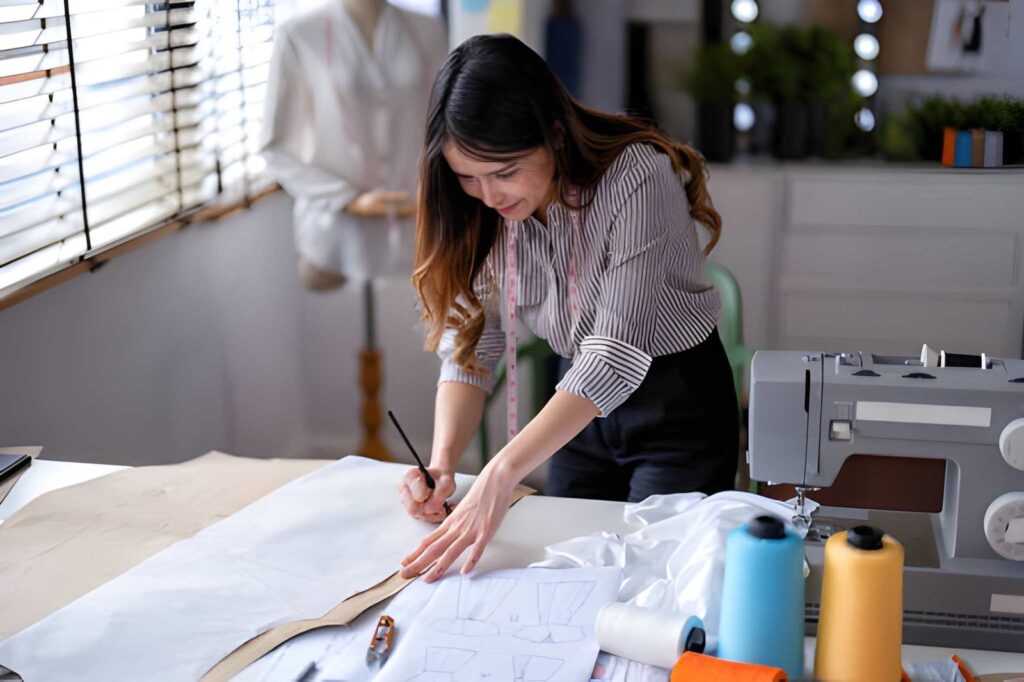
Launching a kidswear collection at the right time requires more than creative designs and quality fabrics. Brands must coordinate product development, sampling, material sourcing, bulk manufacturing, quality inspections, and shipping to ensure their products reach the market before the selling season begins.
For children’s clothing brands, delays at any stage can affect product launches, retailer commitments, marketing campaigns, and inventory availability. A well-planned production timeline helps businesses manage these challenges while maintaining product quality and meeting delivery expectations.
Whether you are launching a spring/summer collection, preparing autumn/winter styles, or developing a festive kidswear range, understanding production lead times is essential for successful apparel manufacturing.
1. Understand What Kidswear Production Lead Time Means
Production lead time refers to the time required to complete the manufacturing process, from the agreed starting point to the finished garments being ready for the next stage of delivery.
However, the exact definition can vary between manufacturers. Some suppliers measure lead time from bulk order confirmation, while others may begin counting after fabric availability, sample approval, or receipt of all required materials.
For this reason, brands should clarify which activities are included in the quoted lead time.
A typical kidswear production timeline may involve:
- Design finalisation and technical documentation
- Prototype development and sample approval
- Fabric and trim sourcing
- Pre-production preparation
- Bulk garment manufacturing
- Quality inspection and finishing
- Packing and shipment preparation
- International shipping and delivery
Sampling and material sourcing may sometimes happen simultaneously, depending on the project. The timeline should reflect the actual production process rather than relying on a general estimate.
2. Start Planning Before the Selling Season
One of the most common challenges for apparel brands is starting production too close to the intended launch date.
Seasonal collections often require advance planning because several activities must be completed before products become available for sale. These include product development, supplier coordination, photography, marketing preparation, distribution, and inventory allocation.
For example, a brand preparing a spring/summer collection should work backwards from its intended retail launch date. This allows the team to estimate when designs must be finalised, samples approved, and bulk production started.
When creating your seasonal calendar, consider:
- The planned collection launch date
- The time required for product development
- Fabric and accessory availability
- Sample review and revision cycles
- Manufacturing capacity and order quantity
- Inspection, packing, and shipping
- Additional time for unexpected delays
Planning early gives brands more flexibility to review samples, adjust designs, and resolve material issues before production deadlines become critical.
3. Finalise Designs and Technical Specifications Early
Production planning becomes difficult when designs or garment specifications continue to change after manufacturing preparation has begun.
Before requesting a confirmed production schedule, prepare the essential information for each style. This helps the manufacturer understand the product and identify potential challenges early.
Important details include:
- Garment design and construction
- Fabric composition and weight
- Colourways and print requirements
- Size range and measurement specifications
- Stitching and finishing details
- Labels, trims, and accessories
- Required order quantities per style and size
A complete tech pack can help communicate these requirements clearly. It should include relevant measurements, construction instructions, artwork, and other information needed to develop the garment.
Finalising specifications early reduces avoidable clarification rounds and helps manufacturers plan materials, resources, and production activities more accurately.
4. Allocate Enough Time for Sampling and Approvals
Sampling is an important stage in kidswear development because it allows brands to evaluate the garment before committing to bulk production.
Depending on the product, the process may include an initial prototype, fit sample, revised sample, and pre-production sample. Not every order requires all these stages, but additional reviews may be necessary for complex designs or significant revisions.
During sample evaluation, brands should check:
- Fit and measurements across the intended size range
- Fabric feel, appearance, and suitability
- Stitching and garment construction
- Colour and print accuracy
- Fasteners, trims, and functional details
- Overall appearance against the approved design
For children’s garments, brands should also identify applicable safety, labelling, and regulatory requirements for their target market.
To keep the schedule on track, consolidate feedback and provide clear revision instructions. Multiple rounds of incomplete or conflicting feedback can extend development time.
Agree on sample submission dates, review deadlines, and approval responsibilities before the project begins.
5. Plan Fabric and Trim Sourcing Carefully
Material sourcing can significantly influence kidswear production lead times. Even when the garment design is complete, production may be delayed if the required fabric, colour, print, buttons, zippers, labels, or other components are unavailable.
Some materials may be readily available, while custom-dyed fabrics, special prints, and customised accessories can require additional preparation.
Before confirming a production calendar, discuss the following with your manufacturer:
- Fabric availability and required quantities
- Minimum order quantities for materials
- Lead times for custom colours and prints
- Availability of trims and accessories
- Material testing and approval requirements
- Backup options for unavailable components
For seasonal collections, early material planning is especially useful when multiple styles share similar fabrics or colours.
Where appropriate, consolidating material requirements across styles can simplify sourcing and improve visibility into the overall production schedule. However, any potential savings or lead-time improvements should be confirmed with the supplier.
6. Create a Realistic Bulk Production Schedule
Once designs, materials, and samples are approved, the manufacturer can develop a more reliable bulk production plan.
The production schedule depends on factors such as order quantity, garment complexity, fabric availability, available machinery, workforce capacity, and the number of styles being manufactured.
A simple T-shirt order may require a different production schedule from a collection containing lined jackets, detailed dresses, or garments with multiple construction steps.
When reviewing a production plan, ask your manufacturing partner to clarify:
- The planned bulk production start date
- Material readiness requirements
- Estimated cutting and stitching schedules
- Printing, embroidery, or other specialised processes
- Finishing and quality inspection dates
- Packing completion and dispatch dates
Avoid assuming that every style in a multi-product order will be completed simultaneously. Different garments may require different production sequences.
Regular progress updates can help identify bottlenecks early and allow the team to discuss corrective actions before they affect the overall launch.
7. Include Quality Inspection in the Timeline
Quality inspection should be treated as a planned production activity rather than something added at the last minute.
For kidswear brands, garment quality influences customer satisfaction, product returns, brand reputation, and repeat purchases.
Depending on the agreed quality plan, inspections may take place during production, after garments are completed, or at multiple stages.
Common inspection points include:
- Measurements and size consistency
- Stitching quality and seam finishing
- Fabric defects and colour variation
- Print or embroidery placement
- Labels and care instructions
- Fasteners and other functional components
- Final garment appearance and packing
If defects are discovered, additional time may be needed for repairs, replacement, or reinspection.
Brands should therefore agree on inspection criteria before bulk manufacturing starts. Clear acceptance standards help both parties understand the expected quality and reduce disputes during final approval.
8. Account for International Shipping and Delivery
Completing garment manufacturing does not necessarily mean the collection is ready for retail. International orders may require additional time for packing, documentation, freight arrangements, customs clearance, and delivery to the final destination.
Shipping time varies according to the destination, transport method, carrier schedule, customs procedures, and other logistical factors.
When planning international deliveries, consider:
- Export packing and shipment preparation
- Commercial invoices and other required documents
- Applicable customs and import requirements
- Air freight or sea freight arrangements
- Transit time and destination handling
- Final delivery to the warehouse or distribution centre
Confirm whether the manufacturer’s quoted timeline ends when the order is ready for dispatch, when it leaves the factory, or when it reaches the destination.
This distinction is important when working backwards from a retail launch date.
9. Build a Buffer for Unexpected Delays
Even a well-organised production schedule can be affected by unexpected events. Material shortages, sample revisions, equipment issues, production bottlenecks, or shipping disruptions can change the original timeline.
A realistic plan should include contingency time based on the project’s complexity and risk.
Rather than adding an arbitrary number of days to every stage, identify the activities most likely to cause delays. Pay particular attention to custom materials, multiple sample revisions, complex construction, and international delivery requirements.
Useful planning practices include:
- Confirming material availability before bulk production
- Establishing clear sample approval deadlines
- Tracking production milestones regularly
- Maintaining communication with the manufacturer
- Identifying alternative solutions for critical materials
- Agreeing on how delays will be communicated and managed
A contingency buffer gives the business more flexibility without assuming that every stage will run late.
10. Use a Production Calendar to Track Every Milestone
A production calendar helps brands coordinate their internal teams and manufacturing partners around one agreed schedule.
Instead of tracking only the final delivery date, divide the project into milestones with clear owners and deadlines.
A typical calendar may include:
Stage 1: Product development
Finalise designs, technical specifications, size requirements, and artwork.
Stage 2: Sampling and approval
Develop samples, review fit and construction, communicate revisions, and approve the final sample.
Stage 3: Material preparation
Confirm fabric, colours, trims, labels, and accessories.
Stage 4: Bulk manufacturing
Schedule cutting, stitching, printing, finishing, and other required operations.
Stage 5: Quality inspection
Complete the agreed inspections, address defects, and confirm final acceptance.
Stage 6: Packing and dispatch
Prepare cartons, shipping documents, and transport arrangements.
Stage 7: Delivery and launch preparation
Track shipment progress, receive inventory, and coordinate product photography, listings, distribution, and marketing activities.
The actual dates should be confirmed with the manufacturer according to the order requirements. Some stages can overlap, while others depend on approvals or materials being completed first.
Common Mistakes to Avoid When Planning Kidswear Production Lead Times
Even experienced apparel brands can face delays when production planning overlooks important details.
Starting product development too late: This leaves less time for sampling, revisions, and manufacturing before the season begins.
Changing specifications after approval: Late changes can affect material orders, production preparation, and delivery commitments.
Underestimating material lead times: Special fabrics, prints, and accessories may require longer sourcing periods than standard materials.
Approving samples slowly: Delayed feedback can hold up the next stage, even when the manufacturer is ready to proceed.
Ignoring shipping time: A factory completion date is not necessarily the date the products will arrive at the destination.
Overlooking quality checks: Inspections and potential corrections need time in the schedule.
Relying on verbal updates alone: Written timelines, documented approvals, and regular progress reports provide a clearer record of the project’s status.
Avoiding these mistakes helps brands build more realistic schedules and communicate delivery expectations more effectively.
Conclusion: Plan Ahead for a Smoother Kidswear Collection Launch
Planning kidswear production lead times requires coordination across product development, sampling, material sourcing, manufacturing, quality inspection, and shipping. Each stage contributes to the final delivery date, and delays in one area can affect the entire collection.
By finalising specifications early, approving samples promptly, confirming material availability, and maintaining a clear production calendar, brands can improve their visibility into the manufacturing process and prepare for seasonal launches more confidently.
Choosing a manufacturing partner who communicates clearly and understands your product requirements is equally important. A well-defined production plan gives both the brand and the manufacturer a shared timeline, making it easier to identify risks and manage changes.
At Cottono Kids, brands can explore kidswear manufacturing support for developing and producing children’s clothing collections. Discuss your designs, order requirements, and target launch dates with the team to establish a production plan suited to your collection.