
The Green Revolution in Your Closet
If you’ve spent any time shopping for apparel over the past few years, you’ve likely bumped into a new star on the textile scene: bamboo clothing. It’s everywhere. From luxury bed sheets and lounge wear to athletic gear and gentle baby clothes, bamboo fabric is being hailed as the softest, greenest, and most miraculous material since organic cotton.
Adverts claim that bamboo fabric is as soft as silk, naturally repels sweat, regulates your body temperature, fights bacteria, and saves the planet—all while looking effortlessly stylish.
But is any of this true, or is it just clever marketing buzz?
When it comes to clothing—especially clothes for delicate young skin—parents, shoppers, and brand owners have a right to be skeptical. Does bamboo fabric actually live up to its lofty promises in real life? Does it hold up in the laundry machine, or does it lose its magic after a few washes? And is it genuinely as eco-friendly as fashion brands claim?
In this comprehensive guide, we are going to peel back the layers and uncover the absolute truth about bamboo clothing. We’ll explore what bamboo fabric actually is, how it performs under real-world conditions, its role in modern sustainable fashion, and why partnering with a specialized manufacturer like CottonoKids can help you bring the best bamboo garments to life.
What Is Bamboo Clothing? From Woody Stems to Silky Threads
To understand whether bamboo clothing works, we first have to understand what it actually is. When people hear “bamboo,” they often picture stiff, woody stalks, fishing poles, or pandas eating leaves. So, how on earth does a rigid plant turn into a garment that feels softer than cashmere?
The Raw Material: A Super-Plant
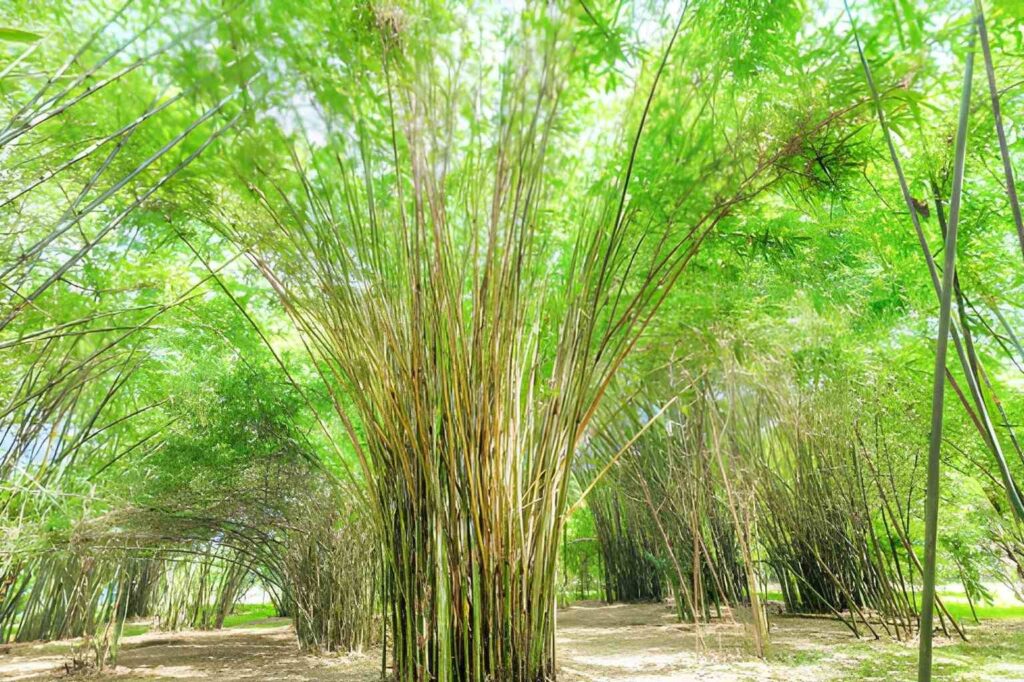
Bamboo is technically a fast-growing giant grass species. It is one of the fastest-growing plants on Planet Earth, with some species growing up to three feet in a single 24-hour period! Unlike traditional crops, bamboo doesn’t require replanting after harvest; when cut down, it naturally regrows from its existing root system.
How Bamboo Is Transformed into Fabric
The journey from forest stalk to comfy t-shirt or baby onesie involves a fascinating transformation process. There are two primary ways bamboo stalks are converted into textile fibers:
1. Mechanically Processed Bamboo (Bamboo Linen)
In this traditional method, the woody parts of the bamboo plant are crushed mechanically, and natural enzymes are used to break down the walls into a pulpy mass. The natural fibers are then combed out and spun into yarn.
- The Result: A fabric similar to classic linen—durable, sturdy, and textured. While extremely eco-friendly, it is somewhat coarse and rare in mass-market apparel.
2. Bamboo Viscose / Rayon Process
This is the modern method responsible for 95% of the ultra-soft bamboo clothing on the market today. The bamboo stalks and leaves are dissolved in a solution to extract the plant cellulose. This pulp is pushed through fine nozzles (spinnerets) to form long, smooth threads, which are then spun into yarn and woven into fabric.
- The Result: A fabric that is extraordinarily soft, smooth, fluid, and gentle on the skin. When produced in closed-loop systems—where liquid solutions are recycled rather than wasted—it combines supreme comfort with sustainable responsibility.
When you touch a bamboo hoodie or a bamboo baby onesie, you are feeling these refined micro-fibers, which naturally create a smooth, rounded surface that feels almost weightless against your body.
How Bamboo Clothing Works in Real Life: Busting Myths & Testing Claims
Marketing claims sound incredible on paper, but how does bamboo clothing actually perform when you put it on, wear it all day, and throw it in the wash? Let’s test the biggest promises against real-world experience.
Claim 1: “It Feels Incredibly Soft & Gentle”
- Real-World Verdict: 100% TRUE
- The Experience: Bamboo fabric is renowned for its buttery-soft hand-feel. Because bamboo rayon fibers are long, round, and smooth, they lack the sharp, microscopic spurs found in coarse wool or cheap synthetic polyester. This means zero friction against the skin. For babies, toddlers, and adults with eczema or sensitive skin, bamboo clothing feels like a gentle embrace without a single scratch or bite.
Claim 2: “It Regulates Body Temperature (Warm in Winter, Cool in Summer)”
- Real-World Verdict: 100% TRUE
- The Experience: Bamboo fibers are naturally full of microscopic cross-sections and tiny air pockets. In warm weather, these micro-gaps allow air to circulate freely, keeping skin cool. In colder months, the micro-pockets trap a subtle layer of warm air near the body without making you feel heavy or suffocated. It truly acts as a natural thermostat.
Claim 3: “It Wicks Moisture and Stops Sweat”
- Real-World Verdict: 100% TRUE
- The Experience: Unlike synthetic fabrics like polyester (which trap sweat against your skin) or standard cotton (which absorbs sweat and stays wet for hours), bamboo fiber pulls moisture away from the skin and evaporates it rapidly into the air. If you have an active child who runs, jumps, and plays, a bamboo hoodie or tee will keep them dry and comfortable instead of cold and clammy.
Claim 4: “It Is Naturally Anti-Odor”
- Real-World Verdict: TRUE WITH PROPER CARE
- The Experience: Bamboo plants naturally contain an agent called bamboo-kun, which repels pests and bacteria in the wild. While processing converts the plant to fiber, bamboo fabric naturally resists bacterial growth far better than synthetic polyester. Because sweat doesn’t cling to the fabric, odor-causing bacteria can’t thrive easily, meaning clothing stays fresher for much longer.
Real-Life Durability: How Does It Hold Up in the Laundry?
One major question parents ask is: “Will this fall apart after three washes?”
The truth is that high-quality bamboo fabric is remarkably durable, but it does require gentle care. Because bamboo fibers are natural cellulose, washing them in boiling hot water or blasting them on high heat in a dryer can weaken the threads over time.
Pro-tip for long-lasting bamboo clothes:
- Wash in cold or lukewarm water on a gentle cycle.
- Use a mild, eco-friendly detergent without harsh bleach or fabric softeners (the fabric is already naturally soft!).
- Air dry on a rack or tumble dry on low heat.
When cared for properly, bamboo garments retain their soft texture, bright colors, and flexible shape through dozens upon dozens of washes.
The Benefits of Bamboo Clothing in Sustainable Fashion
Fast fashion has created a massive environmental crisis—synthetic fabrics pollute our oceans with microplastics, while conventional crops consume billions of gallons of water and chemical pesticides every year. Bamboo clothing stands out as a beacon of hope in the sustainable fashion movement.
Here is why bamboo is one of the most eco-friendly raw materials available today:
1. Zero Pesticides or Chemical Fertilizers Needed
Because bamboo grows naturally like a giant weed and possesses natural pest resistance, it requires zero chemical pesticides, synthetic fertilizers, or genetic modification to grow in abundance. This keeps harmful agricultural chemicals out of our soil and water systems.
2. Rapid Growth and High Crop Yields
Bamboo holds the world record for growth speed. It reaches full maturity in just 3 to 5 years (compared to decades for hardwood trees). Furthermore, bamboo produces up to 10 times more fiber per acre than conventional cotton, making it a superstar of land efficiency.
3. Soil Regeneration and Erosion Control
When bamboo is harvested, the stalk is cut, but the deep root system remains intact in the ground. This root matrix holds the topsoil together, preventing soil erosion and land degradation during heavy rains. The natural foliage also drops to the ground, enriching the soil naturally.
4. Massive Carbon Absorption & Oxygen Release
A grove of bamboo sequesters significantly more carbon dioxide (CO2) and releases 35% more oxygen into the atmosphere than an equivalent stand of trees! Planting and harvesting bamboo actively helps clean the air we breathe.
5. Biodegradable at the End of Life
Unlike petroleum-based synthetic materials (like polyester, nylon, or acrylic) that take centuries to break down in landfills and leach microplastics into waterways, 100% natural bamboo fabric is completely biodegradable. At the end of its long life cycle, it returns harmlessly to nature.
Why Bamboo Is the Ultimate Fabric Choice for Kids’ Apparel
While adults love bamboo for loungewear and workout gear, bamboo fabric is an absolute game-changer when applied to children’s apparel.
- Prevents Overheating: Babies and young toddlers cannot regulate their own body temperature as effectively as adults. Bamboo’s thermal-regulating micro-gaps prevent sweaty overheating during naptime.
- Gentle on Eczema & Sensitive Skin: Young skin is thin and easily irritated by synthetic dyes or rough textures. Bamboo’s silky smoothness minimizes friction, soothing sensitive skin and eczema flare-ups.
- Stretchy Comfort for Play: Bamboo knit garments offer a natural four-way stretch without needing heavy synthetic elastane. This gives kids complete freedom to crawl, climb, and tumble without restriction.
- Easy Maintenance for Busy Parents: Natural anti-stain and anti-odor properties mean less time doing heavy laundry loads and more time enjoying family moments.
Why Partnering with CottonoKids Gives You the Best Bamboo Products
Whether you are an established clothing brand expanding into eco-friendly lines, a boutique shop owner, or an entrepreneur launching a private-label kids’ line, finding the right manufacturing partner is everything.
Producing high-quality bamboo garments requires deep material expertise, state-of-the-art machinery, and strict ethical standards. That is where CottonoKids comes in.
As leading Kids Custom Hoodie Manufacturers, Baby Onesie Manufacturers, and specialized custom clothing producers in India, CottonoKids is your trusted partner for high-performance bamboo and sustainable kids’ apparel.
Here are the distinct benefits of partnering with Cottono Kids
1. Certified Sustainable Sourcing
At CottonoKids, we source only top-grade, ethically harvested bamboo pulp processed through eco-friendly closed-loop systems. We ensure that every piece of fabric is free from harmful chemicals, heavy metals, and toxic dyes—giving your customers 100% peace of mind.
2. Unrivaled Manufacturing Expertise
Manufacturing bamboo fabric requires delicate handling during cutting, sewing, and finishing. Our factories are equipped with modern machinery and skilled artisans who specialize in working with soft knits, flatlock stitching, tagless printing, and secure, nickel-free hardware.
3. Complete Private-Label Customization
Have a unique vision for your brand? We offer end-to-end custom solutions:
- Custom Blends: 100% pure bamboo, bamboo-organic cotton blends, or bamboo-spandex knits engineered for your exact weight and stretch specs.
- Custom Colors & Dyeing: Non-toxic, eco-friendly custom color dyeing to match your brand’s seasonal palette.
- Custom Prints & Embroidery: Water-based digital printing that stays soft and doesn’t crack or peel.
- Custom Branding: Custom neck labels, swing tags, and eco-friendly packaging ready for retail shelves.
4. Ethical & Transparent Production
Modern consumers care deeply about who made their clothes. CottonoKids takes pride in maintaining fair wages, safe working conditions, clean facilities, and strictly zero child labor across all our operations. Partnering with us gives your brand a proud, ethical story to share with your audience.
5. Flexible Order Quantities & Global Shipping
We support growing businesses as well as established retail chains. With competitive Minimum Order Quantities (MOQs), transparent pricing, and reliable international logistics, CottonoKids makes scaling your kids’ clothing line simple, smooth, and stress-free.
Does Bamboo Clothing Live Up to the Hype?
So, back to our main question: Does bamboo clothing actually work?
The answer is an overwhelming YES. Bamboo clothing isn’t just marketing hype—it is a genuine textile revolution that combines luxury-level softness, smart temperature control, moisture-wicking practicality, and unmatched environmental benefits.
When crafted with care and manufactured responsibly, bamboo apparel outperforms traditional cotton and synthetics across almost every category. It keeps kids cozy, protects sensitive skin, eases the burden on parents, and leaves a lighter footprint on the planet we pass down to the next generation.
Ready to Elevate Your Brand with Premium Bamboo Apparel?
Don’t settle for ordinary clothing when you can offer your customers extraordinary softness, skin safety, and sustainable quality!
Whether you are looking to create custom bamboo hoodies, silky-soft baby onesies, cozy sleepwear, or daily essentials, CottonoKids is here to turn your design ideas into world-class garments.
Visit https://cottonokids.com/ today, explore our custom fabric capabilities, and reach out to our expert team—let’s craft the coziest, greenest future together!