
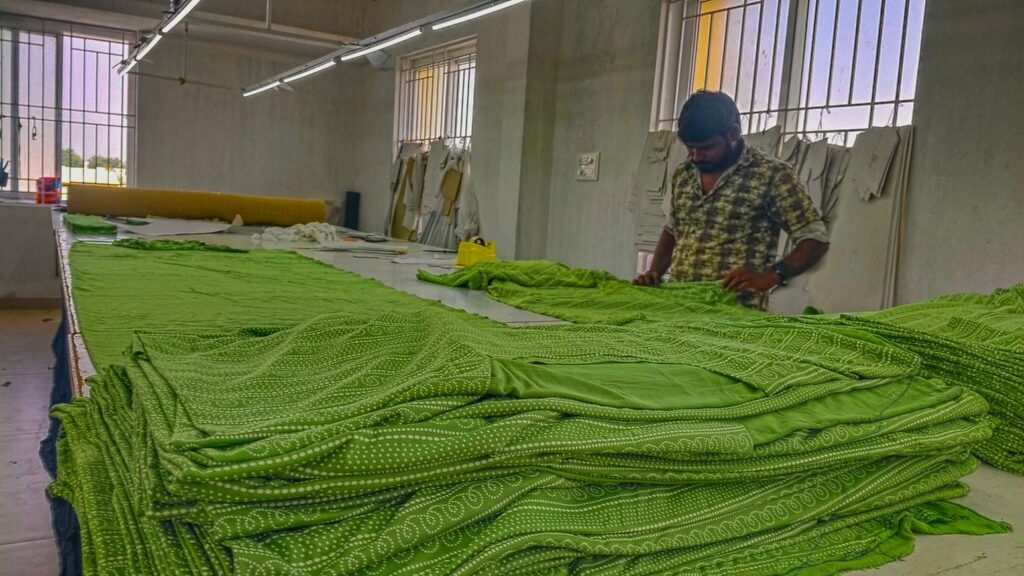
Fabric is one of the most valuable resources in garment manufacturing. From children’s T-shirts and leggings to dresses, shorts and babywear, every garment requires careful fabric planning and efficient cutting. However, poor pattern placement, incorrect measurements, fabric defects and inefficient cutting practices can lead to significant material waste.
For kidswear manufacturers, reducing fabric waste is not just about saving material. It is also about controlling production costs, improving manufacturing efficiency and supporting more sustainable clothing production.
As international fashion brands increasingly focus on responsible sourcing and efficient production, manufacturers must adopt better fabric management practices throughout the garment manufacturing process.
In this article, we explore practical ways to reduce fabric waste in kidswear manufacturing and improve overall production efficiency.
1. Understand Where Fabric Waste Occurs
Before reducing fabric waste, manufacturers must understand where it is generated.
Fabric waste can occur at different stages of garment production, including:
- Pattern development: Poorly designed patterns or incorrect pattern measurements can increase material consumption.
- Fabric spreading: Uneven fabric spreading, wrinkles and incorrect alignment can make sections of fabric unusable.
- Marker making: Inefficient placement of garment patterns creates unnecessary gaps between cutting pieces.
- Fabric defects: Holes, stains, weaving defects and colour variations can result in unusable fabric sections.
- Cutting operations: Incorrect cutting techniques and inaccurate measurements can damage fabric.
- Production leftovers: Small fabric remnants may accumulate after cutting and remain unused.
Identifying these sources helps manufacturers understand where improvements are needed and how to prevent unnecessary material loss.
2. Improve Pattern Making and Marker Efficiency
Pattern making and marker planning play an important role in controlling fabric consumption.
A marker is a layout of garment patterns arranged on fabric before cutting. The way these patterns are positioned determines how efficiently the available fabric is used.
Manufacturers can reduce fabric waste by:
- Arranging pattern pieces closely without compromising cutting accuracy.
- Using different pattern orientations wherever the fabric grain direction permits.
- Planning garment components together to minimise unused spaces.
- Considering fabric width when preparing marker layouts.
- Using CAD-based marker-making software to improve pattern placement.
For kidswear manufacturers producing multiple garment sizes, combining different sizes within a marker can also improve fabric utilisation.
An efficient marker layout helps manufacturers achieve better fabric consumption without affecting garment construction or quality.
3. Plan Fabric Consumption Before Bulk Production
Accurate fabric consumption planning helps manufacturers estimate how much material is required for each garment.
Before starting bulk production, manufacturers should consider:
- Garment design and construction.
- Size specifications and size combinations.
- Fabric width and GSM.
- Pattern dimensions.
- Shrinkage allowances.
- Marker efficiency.
- Expected cutting loss.
For example, a kidswear collection containing T-shirts, shorts and leggings may require different fabric consumption calculations depending on garment size, pattern shape and fabric characteristics.
Accurate planning prevents unnecessary fabric purchases and reduces the possibility of excess material remaining after production.
4. Use Fabric Width Effectively
Fabric width directly influences how garment patterns can be arranged during marker making.
Even when two fabrics have similar compositions and GSM, differences in usable fabric width can affect total fabric consumption.
Manufacturers should check the usable fabric width before preparing cutting layouts.
Important considerations include:
- Measuring the actual usable fabric width.
- Identifying damaged or unusable selvedge areas.
- Selecting suitable marker layouts for the available width.
- Adjusting pattern arrangements to minimise unused spaces.
Using the full usable width of the fabric wherever possible can improve cutting efficiency and reduce unnecessary material loss.
5. Maintain Accurate Fabric Quality Inspection
Fabric defects can create unexpected waste during garment cutting.
Common fabric defects include holes, stains, uneven dyeing, weaving irregularities and unwanted shade variations.
If these defects are not identified before cutting, they may affect the appearance and quality of finished garments.
To minimise this problem, manufacturers should:
- Inspect fabric rolls before production.
- Identify and mark defective sections.
- Check colour consistency between fabric batches.
- Separate unusable fabric areas before spreading.
- Maintain proper fabric inspection records.
Early defect identification allows cutting teams to plan around damaged sections and avoid producing defective garment components.
6. Optimise Fabric Spreading and Cutting Techniques
Fabric spreading and cutting require accuracy and proper handling.
Improper spreading can cause wrinkles, fabric tension and misalignment, resulting in inaccurate garment pieces and additional waste.
Manufacturers can improve cutting efficiency by:
- Ensuring fabric layers are properly aligned.
- Avoiding excessive fabric tension during spreading.
- Using suitable cutting equipment.
- Maintaining sharp cutting blades.
- Following approved marker layouts.
- Training cutting operators to handle different fabric types correctly.
Proper cutting practices help maintain pattern accuracy and minimise avoidable material loss.
7. Reuse Fabric Remnants Wherever Possible
Small fabric remnants left after cutting do not always need to become waste.
Depending on their size, quality and fabric type, leftover materials may be suitable for smaller garment components or other applications.
Possible uses include:
- Small pockets and decorative details.
- Fabric-covered accessories.
- Small garment components.
- Sampling and product development.
- Reusable textile products.
Manufacturers can also organise reusable remnants by fabric type, colour and size to make them easier to identify and utilise.
However, reused materials must always meet the required quality and safety standards for children’s clothing.
8. Use Technology to Improve Fabric Utilisation
Technology has made fabric planning and cutting more efficient.
Modern garment manufacturing facilities can use digital tools to improve accuracy and reduce unnecessary material consumption.
Some useful technologies include:
CAD Pattern-Making Software: Helps create accurate garment patterns and make adjustments before production.
Automatic Marker-Making Systems: Help arrange garment patterns efficiently to improve fabric utilisation.
Digital Fabric Inspection Systems: Help identify fabric defects and support better cutting decisions.
Production Planning Software: Helps manufacturers coordinate fabric requirements, production quantities and material usage.
By incorporating suitable technology into manufacturing operations, businesses can improve planning accuracy and minimise avoidable fabric waste.
9. Train Employees in Fabric Management
Technology alone cannot eliminate fabric waste. Skilled employees and proper production practices are equally important.
Cutting operators, pattern makers, production supervisors and quality inspectors all contribute to efficient fabric utilisation.
Manufacturers should provide training on:
- Correct fabric handling and spreading.
- Accurate pattern placement.
- Proper cutting techniques.
- Fabric defect identification.
- Material storage and inventory management.
- Responsible handling of leftover materials.
Building awareness among employees encourages better material management throughout the manufacturing process.
10. Monitor Fabric Waste Through Regular Production Analysis
Reducing fabric waste requires continuous monitoring.
Manufacturers should regularly review fabric consumption and cutting efficiency to identify areas for improvement.
Some useful performance indicators include:
- Fabric consumption per garment.
- Marker efficiency percentage.
- Fabric waste percentage.
- Fabric defect and rejection rates.
- Reusable leftover material quantity.
For example, if a cutting department consistently records higher fabric waste for a particular garment style, the production team can review its pattern layout, fabric width and cutting methods.
Regular analysis helps manufacturers make informed decisions and improve material utilisation over time.
Why Reducing Fabric Waste Matters in Kidswear Manufacturing
Reducing fabric waste offers several advantages for garment manufacturers and international clothing brands.
1. Better Cost Management
Efficient fabric utilisation reduces unnecessary material consumption and helps control production expenses.
2. Improved Production Efficiency
Better marker planning, accurate cutting and organised fabric management help streamline manufacturing operations.
3. More Responsible Resource Utilisation
Reducing unnecessary fabric waste helps conserve textile resources and minimises the amount of discarded material.
4. Better Inventory Management
Accurate fabric consumption planning helps manufacturers manage raw materials and avoid excessive purchases.
5. Stronger Sustainability Practices
Responsible material usage supports more sustainable manufacturing practices and aligns with the growing interest in environmentally conscious fashion.
How Cottono Kids Approaches Efficient Kidswear Manufacturing
At Cottono Kids, efficient manufacturing begins with careful planning, attention to detail and responsible material management.
From fabric selection and pattern development to cutting and garment production, every stage contributes to the final quality of children’s clothing.
By focusing on accurate measurements, efficient fabric utilisation and organised production practices, manufacturers can reduce unnecessary material loss while maintaining the quality and consistency expected by international clothing brands.
We believe that better manufacturing is not only about producing more garments. It is also about making better use of the resources involved in every garment.
Wrapping Up
Reducing fabric waste is an important part of efficient and responsible kidswear manufacturing. From optimising marker layouts and improving fabric inspection to adopting digital tools and training production teams, manufacturers have several opportunities to minimise unnecessary material consumption.
For international clothing brands, working with manufacturers who understand efficient fabric management can contribute to better cost control, consistent production quality and more responsible sourcing decisions.
Smarter fabric planning today can create more efficient and sustainable garment production tomorrow.