
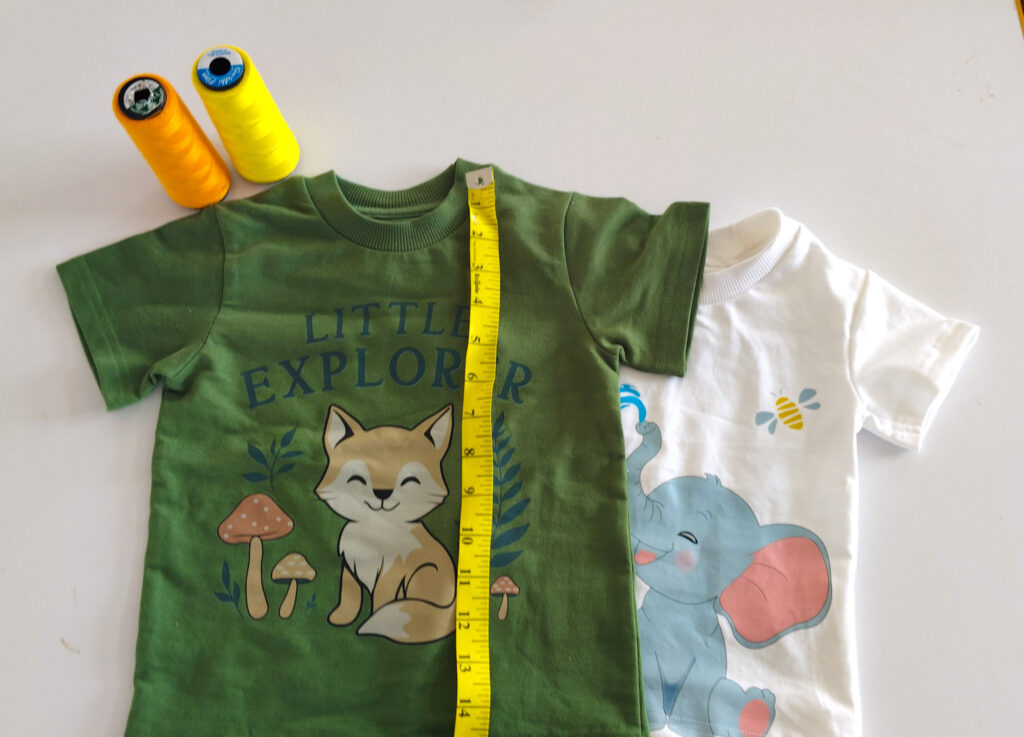
When it comes to children’s clothing, quality is more than just appearance. Parents expect garments to be comfortable, durable and safe for everyday use. For clothing brands, meeting these expectations requires careful attention to every stage of the manufacturing process.
From selecting the right fabric to checking the final stitches, quality control in kidswear manufacturing plays an important role in delivering garments that meet customer expectations. Even a small manufacturing defect, such as a loose button, uneven stitching or incorrect sizing, can affect the overall quality of a product.
For international clothing brands, maintaining consistent quality is especially important. Products may travel across different markets, where customer expectations, product requirements and safety regulations can vary.
So, how does quality control work in kidswear manufacturing, and what should brands look for when choosing a manufacturing partner?
Let’s explore the essential quality checks that help ensure children’s garments meet the required standards.
What Is Quality Control in Kidswear Manufacturing?
Quality control in kidswear manufacturing is the process of inspecting, testing and verifying garments at different production stages to ensure they meet defined quality requirements.
It involves checking raw materials, fabric quality, stitching, measurements, colours, finishing and the overall appearance of the finished garment.
Unlike general apparel manufacturing, kidswear requires additional attention to details because garments are designed for babies and children. Comfort, fit, fabric suitability and the security of attached components are all important considerations.
A structured quality-control process helps clothing brands:
- Maintain consistent garment quality across production batches.
- Identify manufacturing defects before products reach customers.
- Reduce fabric and production wastage.
- Improve product durability and customer satisfaction.
- Maintain consistency in sizing, stitching and finishing.
- Meet applicable product safety and compliance requirements.
Quality control should not be treated as a final inspection alone. It should be part of the entire garment manufacturing process.
Why Is Quality Control Important in Children’s Clothing?
Children’s garments are used for different activities, including sleeping, playing, crawling and everyday movement. This makes garment construction and material selection particularly important.
Here are some reasons why quality control matters in kidswear production.
1. Ensures Comfort and Fabric Quality
Children have different clothing needs depending on their age, activity and environment. Fabrics should be selected according to the garment’s intended use.
Manufacturers should inspect fabric characteristics such as softness, weight, texture, strength and consistency before production begins.
For example, a babywear collection may require lightweight, breathable fabrics, while everyday children’s clothing may need materials that can withstand frequent washing and use.
2. Improves Garment Durability
Children’s clothes are frequently washed and exposed to regular movement. Weak seams, poor stitching and low-quality fabric can cause garments to wear out quickly.
Quality checks help identify issues such as:
- Loose or broken stitches.
- Open seams.
- Fabric holes.
- Uneven hems.
- Weak elastic.
- Poorly attached components.
Identifying these issues during production helps reduce defects in the finished garments.
3. Maintains Consistent Sizes and Fit
Size consistency is essential for clothing brands selling across different markets.
An incorrect measurement can affect the garment’s fit, appearance and customer experience.
Manufacturers should follow approved size charts and compare finished garments against the specified measurements. Each size should be checked to ensure it matches the brand’s approved specifications.
4. Supports Product Safety
Children’s garments may include buttons, zippers, snaps, drawstrings, decorative accessories and printed designs.
These components should be evaluated according to the product’s intended age group and applicable safety requirements.
For example, loose components may create potential hazards for young children. Garment construction and component attachment should therefore receive appropriate attention.
Product safety testing and certification requirements vary depending on the destination market and the type of children’s clothing.
7 Essential Quality Checks in Kidswear Manufacturing
A reliable garment quality-control process involves several inspection stages. Each stage focuses on a different aspect of the product.
1. Raw Material and Fabric Inspection
Fabric is one of the most important components of any clothing product. If the raw material does not meet the required specifications, the finished garment may also have quality problems.
Before production begins, manufacturers should inspect the incoming fabric for:
- Fabric holes and visible damage.
- Uneven colour or shade variations.
- Stains and unwanted marks.
- Fabric weight and thickness.
- Texture and surface consistency.
- Width and dimensional specifications.
- Shrinkage characteristics, where relevant.
Brands should also ensure that the selected fabric matches the approved sample and product specifications.
For example, if a clothing brand approves a particular cotton fabric for its babywear collection, the bulk production material should maintain the agreed characteristics.
2. Colour Consistency and Fabric Testing
Colour consistency is important when producing garments in multiple sizes or production batches.
Differences in fabric dyeing can create noticeable shade variations between individual garments.
Quality checks may include:
- Comparing fabric shades with approved colour standards.
- Checking for uneven dyeing.
- Evaluating colourfastness.
- Assessing colour changes after washing.
- Checking whether colour transfers through rubbing.
Colourfastness testing helps determine how well a fabric retains its colour when exposed to conditions such as washing, rubbing or perspiration.
The appropriate test method should be selected according to the fabric, garment and intended market.
3. Stitching and Seam Inspection
Stitching directly affects the appearance, strength and durability of children’s garments.
Poor stitching can cause seams to open, threads to loosen or garments to lose their shape after repeated use.
Important stitching checks include:
- Consistent stitch density.
- Proper seam alignment.
- Secure thread ends.
- No skipped or broken stitches.
- Strong seam construction.
- Smooth and even hems.
- No unnecessary loose threads.
Manufacturers should also inspect areas that experience frequent movement, such as armholes, shoulders, waistbands and crotch seams.
4. Measurement and Size Inspection
Every clothing brand should have an approved measurement chart for its products.
During garment inspection, finished products should be measured against the approved specifications.
Common measurement points include:
- Garment length.
- Chest width.
- Shoulder width.
- Sleeve length.
- Waist measurement.
- Bottom or leg opening.
- Neck opening.
Measurement tolerances should be agreed upon before bulk production begins.
For international brands, it is important to confirm the intended sizing system and measurement specifications because sizing conventions can differ between markets.
5. Accessories and Component Inspection
Kidswear products may include buttons, zippers, snaps, elastics, labels, bows and decorative elements.
These components should be inspected for correct placement, functionality and secure attachment.
Quality checks should include:
- Button attachment and strength.
- Zipper movement and finishing.
- Snap fastener attachment.
- Elastic recovery and comfort.
- Label placement and readability.
- Security of decorative components.
- Absence of sharp edges or exposed points.
Special attention should be given to small components used in baby clothing. The suitability of each component should be evaluated according to the garment’s age range and applicable safety requirements.
6. Printing and Embroidery Inspection
Printing and embroidery can improve the appearance of kidswear products, but they also require careful quality checks.
Poor-quality printing may crack, peel or fade after washing. Embroidery may contain loose threads or uncomfortable stitching on the inside of a garment.
Inspectors should check:
- Print alignment and placement.
- Colour accuracy.
- Print adhesion.
- Embroidery neatness.
- Loose threads.
- Surface appearance.
- Comfort on the reverse side.
Where required, appropriate testing should be conducted to assess print durability and compliance with applicable chemical safety requirements.
7. Final Garment Inspection
Once stitching, finishing and other production activities are complete, the finished garments should undergo a final inspection.
This stage checks whether the product matches the approved sample and production specifications.
Final inspection may include:
- Overall garment appearance.
- Fabric and stitching defects.
- Measurement accuracy.
- Component attachment.
- Printing and embroidery quality.
- Label and size information.
- Stain and damage checks.
- Folding and packaging quality.
Only garments that meet the agreed acceptance criteria should proceed to packing and dispatch.
Understanding the Different Stages of Garment Quality Control
Quality control is most effective when it is performed throughout production rather than only after garments are completed.
The following stages help brands understand how inspections can be organised.
Pre-Production Inspection
Pre-production inspection takes place before bulk manufacturing begins.
It includes checking approved fabric, trims, accessories, samples, size charts and production specifications.
The purpose is to identify potential problems before they affect the entire production order.
During-Production Inspection
During-production inspection takes place while garments are being manufactured.
Inspectors check fabric cutting, stitching, measurements, seam quality and other production details.
Identifying defects early makes it easier to correct issues before they affect a large number of garments.
Final Random Inspection
Final random inspection takes place after production is completed and garments are ready for dispatch.
A selected sample of finished garments is checked against the agreed inspection criteria.
Some brands use Acceptance Quality Limit (AQL) sampling plans to determine sample sizes and acceptance or rejection criteria. ISO 2859-1 provides internationally recognised sampling procedures for inspection by attributes.
The inspection plan, sample size and acceptable defect levels should be agreed upon between the buyer and manufacturer before production.
Common Quality Defects in Kidswear Manufacturing
Understanding common garment defects helps brands communicate their quality expectations clearly to manufacturers.A clear defect classification system helps manufacturers and brands decide which issues require immediate correction and which garments need to be rejected or reworked.
International Quality and Safety Requirements for Kidswear Brands
For international clothing brands, product quality is closely connected to the requirements of the destination market.
Different countries and regions have different rules relating to children’s clothing, chemical substances, flammability, labelling and product safety.
- Uneven stitching: Affects the garment’s appearance and construction.
- Open seams: Can reduce garment durability.
- Fabric holes: Make garments unsuitable for sale.
- Colour variation: Creates inconsistency between products.
- Incorrect measurements: Affect garment fit and sizing.
- Loose buttons: May create potential safety concerns for children.
- Broken zippers: Affect garment functionality.
- Poor printing: Reduces visual appeal and print durability.
- Stains and marks: Affect the finished product’s appearance.
- Incorrect labels: Can cause errors in sizing and product information.
Brands should identify the applicable requirements before beginning bulk production.
United States
In the United States, children’s clothing may be subject to requirements administered by the Consumer Product Safety Commission (CPSC).
Depending on the product, applicable requirements may include flammability rules, lead restrictions, phthalate restrictions for certain children’s products and third-party testing.
For products covered by applicable rules, manufacturers or importers may also have certification and testing responsibilities.
European Union
Brands selling children’s clothing in the European Union should review applicable product safety and chemical requirements.
Relevant considerations may include:
- General Product Safety Regulation requirements, where applicable.
- REACH restrictions on certain chemical substances.
- Applicable textile fibre composition labelling rules.
- Relevant requirements for components and garment construction.
Other International Markets
Brands exporting to the United Kingdom, Australia, Canada and other markets should identify the applicable local product safety, textile labelling and testing requirements.
Requirements can differ depending on the garment type, intended age group, materials and destination country.
Important: A general factory inspection does not automatically establish regulatory compliance. Brands should work with qualified testing laboratories and verify the documentation required for their products and markets.
How Can Brands Build an Effective Kidswear Quality-Control Checklist?
Before starting production, clothing brands should prepare a quality checklist that clearly communicates their expectations to the manufacturer.
Here is a practical checklist to consider:
- Approved fabric and material specifications.
- Confirmed size chart and measurement tolerances.
- Approved sample and design specifications.
- Fabric colour and shade consistency.
- Stitching and seam quality.
- Secure buttons, zippers and other components.
- Printing and embroidery quality.
- Washing and colourfastness test requirements, where applicable.
- Applicable product safety and compliance tests.
- Correct labels and product information.
- Final garment appearance and finishing.
- Proper folding, packing and carton labelling.
- Final inspection and quality approval.
Having a documented checklist reduces misunderstandings between brands and manufacturers. It also creates a consistent reference for evaluating every production order.
How to Choose a Kidswear Manufacturer That Prioritises Quality
Choosing the right manufacturing partner is an important decision for any clothing brand.
A manufacturer should understand the brand’s product requirements and have a clear process for maintaining quality throughout production.
Before selecting a manufacturing partner, consider the following points:
1. Fabric sourcing and material knowledge
Ask how the manufacturer selects and inspects fabrics. Check whether the available materials match your product requirements.
2. Sample development
Request samples before confirming bulk production. Review the fabric, measurements, stitching, finishing and overall construction.
3. Production quality checks
Understand how quality is monitored during fabric cutting, stitching, finishing and packing.
4. Testing and compliance support
Discuss the testing requirements for your destination market. Confirm which tests, certificates and supporting documents can be provided.
5. Communication and transparency
Choose a manufacturing partner that can clearly communicate production specifications, inspection findings and any quality-related concerns.
6. Consistency across bulk orders
Check how the manufacturer maintains consistency between approved samples and bulk production batches.
A well-defined quality-control process helps brands establish clear expectations and build more reliable manufacturing relationships.
Why Quality Control Is Important for Long-Term Kidswear Brand Growth
Quality is not simply a production requirement. It is an important part of a clothing brand’s reputation.
When customers receive garments that match their expectations, they are more likely to trust the brand and consider purchasing again.
Consistent quality also helps businesses reduce returns, manage production costs and maintain stronger relationships with retailers and distributors.
For international brands, quality consistency becomes even more important because products must meet the expectations of customers across different markets.
By investing in proper fabric inspection, garment testing, production monitoring and final quality checks, brands can build a stronger foundation for long-term growth.
Why Choose Cottono Kids for Kidswear Manufacturing?
Turning a clothing idea into a finished product requires more than production capacity. It requires attention to fabric selection, garment construction, finishing and consistent quality expectations.
At Cottono Kids, we understand the importance of manufacturing children’s clothing that reflects a brand’s product specifications and design requirements.
From developing samples to preparing garments for production, every stage of the manufacturing journey deserves careful attention to detail.
Whether you are developing a new kidswear collection, expanding an existing clothing brand or exploring manufacturing opportunities, having a manufacturing partner who understands children’s apparel can help you plan your production journey.
Looking for a kidswear manufacturing partner for your next collection?
Connect with Cottono Kids to discuss your product requirements, designs and manufacturing needs.
Conclusion
Quality control is one of the most important parts of kidswear manufacturing. From fabric inspection and stitching checks to measurement accuracy and final garment testing, every stage contributes to the quality of the finished product.
For clothing brands targeting international markets, maintaining consistent quality also means understanding destination-specific product safety and compliance requirements.
A well-planned quality-control process helps reduce defects, improve garment durability and deliver products that meet customer expectations.
Ultimately, successful kidswear manufacturing begins with clear specifications, careful inspections and a shared commitment to quality.s with clear specifications, careful
inspections and a shared commitment to quality.